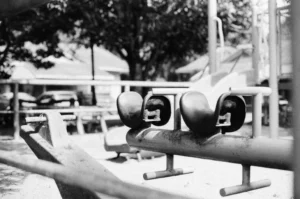
Children are naturally curious. Whether it is a swimming pool, an abandoned building, a construction site, or even a trampoline in a neighbor’s backyard, certain features can attract children despite the obvious dangers they present. In personal injury law, these hazards may fall under a legal doctrine known as attractive nuisance.
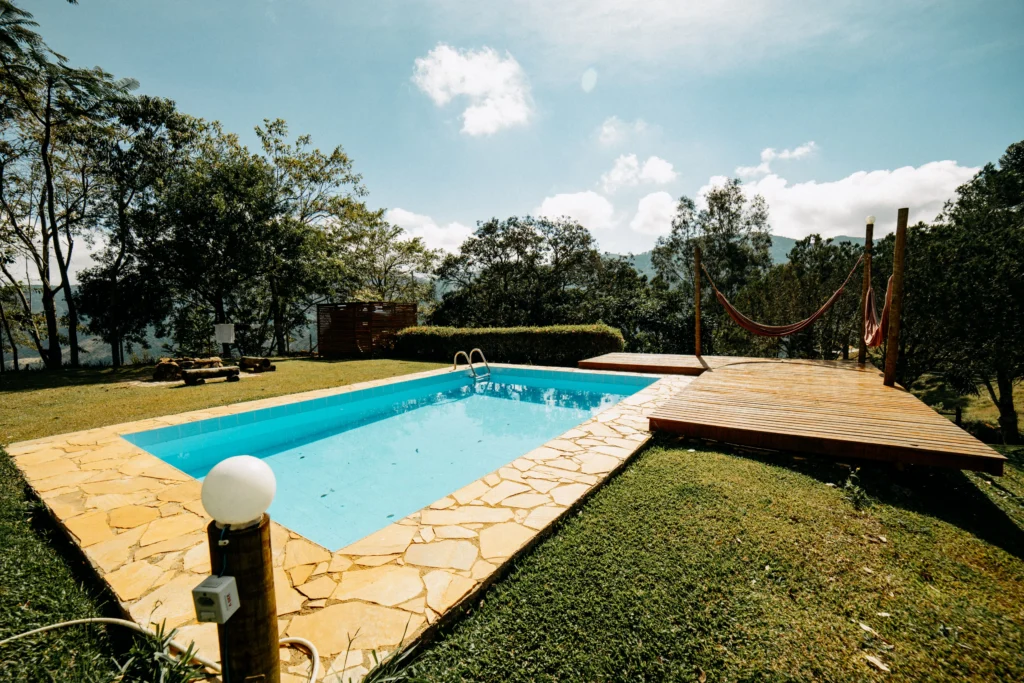
If you’ve been wondering, “What is an attractive nuisance?” you are not alone. The concept plays a significant role in premises liability law and can impact the rights of injured children and the responsibilities of property owners.
At Insider Accident Lawyers, we understand how devastating childhood injuries can be. When a dangerous condition on someone else’s property leads to serious harm, families often face mounting medical bills, emotional distress, and uncertainty about their legal options. Understanding the attractive nuisance doctrine is an important first step toward protecting your child’s rights.
What is an Attractive Nuisance?
An attractive nuisance is a dangerous condition or object on a property that is likely to attract children who may not fully understand the risks involved.
As Insider Accident Lawyers President Shawn Rokni Esq. explains:
“An attractive nuisance is mainly a concept that comes up with children. Basically, it is a reason for the duty of care that comes with attracting children to a condition that’s present there. Usually, because the children are curious and often lack the maturity to understand the danger present. This is a legal doctrine that requires property owners to take reasonable steps to eliminate the hazard.”
Under the attractive nuisance doctrine, property owners may be held liable for injuries suffered by children who enter their property, even if those children are technically trespassing.
Normally, property owners owe limited duties to trespassers. However, the law recognizes that children often lack the maturity and judgement necessary to appreciate certain dangers. As a result, property owners may be required to take reasonable steps to secure or eliminate hazards that could entice children.
The attractive nuisance doctrine creates an exception to traditional premises liability rules and is designed specifically to protect children from foreseeable harm.
Why Does the Attractive Nuisance Doctrine Exist?
The law acknowledges a simple reality: children are curious.
Young children will see a swimming pool as a place to play rather than a potential drowning hazard. To their eyes, construction equipment is an exciting playground, not a source of serious injury.
Because these dangers are often predictable, courts may impose a higher duty of care on property owners when dangerous conditions are likely to attract children.
The purpose of the attractive nuisance doctrine is not to punish property owners. Instead, it encourages reasonable precautions that can prevent tragic and often avoidable accidents.
Common Examples of Attractive Nuisances
As the most commonly used example, many people assume that an attractive nuisance refers only to swimming pools. While they are among the most common attractive nuisances, many other hazards can qualify.
Examples of attractive nuisances may include:
- Swimming pools
- Hot tubs
- Ponds or artificial water features
- Construction sites
- Trampolines
- Treehouses
- Abandoned vehicles
- Heavy machinery
- Unsecured ladders
- Vacant buildings
- Electrical equipment
- Railroad turntables
- Excavations and trenches
Each situation is unique, and whether a particular condition qualifies as an attractive nuisance depends on the facts of the case.
Swimming Pools
Swimming pools are perhaps the classic example of an attractive nuisance.
Children are naturally drawn to water, especially during warmer months. Unfortunately, pools can pose serious drowning risks.
Some safeguards property owners may be required to install include:
- Locked gates
- Fencing
- Pool covers
- Warning signs
- Other safety measures
Failure to implement these precautions may expose a property owner to liability if a child is injured.
Construction Sites
Construction zones often contain numerous dangers, including:
- Falling objects
- Open trenches
- Power tools
- Scaffolding
- Heavy equipment
Despite these risks, children may view construction sites as exciting places to explore.
Property owners and contractors may be required to secure these sites with fencing, barriers, and warning signs to prevent unauthorized access.
Abandoned Buildings
Vacant homes, warehouses, and abandoned structures can attract curious children seeking adventure.
These properties may contain:
- Structural defects
- Broken stairs
- Exposed wiring
- Hazardous materials
- Unstable floors
Owners who fail to secure abandoned buildings may face legal consequences if a child is injured.
A Real-Life Example of an Attractive Nuisance Case
Shawn has litigated many cases where the concept of attractive nuisance has come into play. In one such case, he represented a little boy who had been playing in a mall playpen.
Shawn explains:
“When you go to the mall and there are those play pens that they build for children… that’s an attractive place, right? …If there’s a problem that causes the playpen to become dangerous, that becomes one of those situations [in which attractive nuisance applies].”
In this particular case, one of the tunnels in the play pen was missing a screw, causing a gap in the structure to open and close much like a guillotine. The little boy’s finger became caught in the gap and was severed.
Shawn was able to help the family recover damages from the property owner.
Elements of an Attractive Nuisance Claim
Not every injury involving a child automatically qualifies as an attractive nuisance case. To establish liability, several legal elements must generally be present.
The Property Owner Knew or Should Have Known Children Might Enter
The first consideration is foreseeability. Would a reasonable property owner expect children to be drawn to the condition?
For example, a homeowner with an unfenced swimming pool in a residential neighborhood may reasonably anticipate that children could be attracted to it.
The Condition Created an Unreasonable Risk of Harm
The hazard must pose a significant danger.
Minor risks or everyday conditions typically do not qualify. The danger must be serious enough that injury is likely if children gain access.
Children Could Not Anticipate the Danger
One of the most important aspects of the attractive nuisance doctrine involves the child’s ability to recognize the risk.
Young children often lack the maturity to understand complex dangers. A six-year-old may not appreciate the risk of drowning in a pool, or electrocution from exposed wiring.
The Cost of Preventing Danger Was Reasonable
Courts often examine whether the burden of preventing access was relatively small compared to the potential harm.
Installing a fence around a pool or locking a gate generally involves modest effort and expense compared to the risk of catastrophic injury.
The Property Owner Failed to Exercise Reasonable Care
Finally, the injured party must show that the property owner failed to take reasonable precautions under the circumstances.
Reasonable care does not require eliminating every possible danger. It simply requires taking appropriate steps to reduce foreseeable risks.
Can Property Owners Be Liable Even If a Child Was Trespassing?
This is one of the main questions asked when it comes to the topic of attractive nuisance. In many cases, the answer is yes, as Shawn explains:
“Usually [yes], because the children are curious and often lack the maturity to understand the danger present.”
The law recognizes that children often cannot appreciate dangers in the same way adults can, which is why the attractive nuisance doctrine exists.
Ordinarily, property owners owe minimal duties to trespassers. However, the attractive nuisance doctrine creates a special exception for children.
Courts recognize that children may enter property without understanding the consequences of their actions. If a dangerous condition is likely to attract children and the owner fails to secure it, liability may still arise despite the child’s trespassing status.
This is one reason attractive nuisance claims can differ significantly from other premises liability cases.
Injuries Commonly Associated with Attractive Nuisances
Attractive nuisances can result in severe and life-altering injuries.
Some of the most common injuries include:
- Drowning
- Traumatic brain injuries
- Broken bones
- Spinal cord injuries
- Electrical burns
- Crush injuries
- Internal organ damage
- Amputations
- Fatal injuries
As attractive nuisance cases exclusively involve children, the resulting injuries and the long-term effects on the families involved are uniquely tragic.
Attractive Nuisance Cases Involving Swimming Pools
Swimming pools are the most common example of attractive nuisance cases, and here in the warm climate of Southern California they are one of the most prevalent dangers that may attract children. In 2025 alone, 230 children under the age of ten died in accidents across California.1
A property owner may be found liable if they fail to:
- Install proper fencing
- Secure gates
- Maintain barriers
- Follow safety regulations
Defenses Property Owners May Raise
Property owners often challenge attractive nuisance claims by arguing that one or more legal elements are missing.
Common defenses include:
The Child Was Old Enough to Understand the Danger
The property owner’s legal team may argue that the child appreciated the risks involved and voluntarily chose to encounter them.
The Hazard Was Not Attractive to Children
The defense may claim that the condition was not likely to entice children onto the property.
Reasonable Safety Measures Were Already in Place
Some property owners may contend that they took reasonable precautions to secure the hazard and prevent unauthorized access.
The Injury Was Not Foreseeable
Another defense may be that the accident occurred under unusual circumstances that could not have reasonably been anticipated.
When Should You Contact a Premises Liability Lawyer?
If your child has been injured on another person’s property, it may be wise to speak with an attorney as soon as possible.
An experienced premises liability lawyer can:
- Investigate the accident
- Preserve evidence
- Identify responsible parties
- Review applicable laws
- Calculate damages
- Negotiate with insurance companies
- Pursue litigation when necessary
Early legal intervention can be especially important when evidence may disappear or conditions may change after an accident.
Final Thoughts: What is an Attractive Nuisance?
So, what is an attractive nuisance?
In simple terms, it is a dangerous condition on a property that is likely to attract children who may not recognize the risks involved. The attractive nuisance doctrine allows injured children and their families to pursue compensation in situations where property owners fail to take reasonable steps to prevent foreseeable harm.
From swimming pools and construction sites to abandoned buildings and heavy equipment, attractive nuisance can take many forms. Because children often cannot fully appreciate dangerous situations, the law places special responsibilities on property owners to maintain safe premises.
If your child has suffered injuries due to a hazardous condition on someone else’s property, understanding your rights is essential. The experienced team at Insider Accident Lawyers can evaluate your case, explain your legal options, and help you to pursue the compensation your family deserves.
References
- “Death Report.” California Vital Data (Cal-ViDa), California Department of Public Health, cal-vida.cdph.ca.gov/VSQWeb/ReportBuilder/DeathReport. Accessed 22 Jun. 2026.
About the Author

Emily Stone
Emily Stone is a Legal Content Writer at Insider Accident Lawyers, where she specializes in translating complex legal topics into engaging and accessible content. She holds a B.A. in Creative Writing from York St John University in the United Kingdom (though she’s now LA-based) and is passionate about helping readers better understand their legal options through informative, reader-friendly writing.