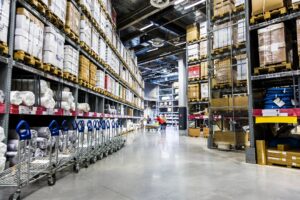
A trip to the grocery store is one of the most routine parts of daily life. You grab a shopping cart, walk the aisles, pick up a few items, and head home. Most people never stop to think about the risks that may be lurking overhead.
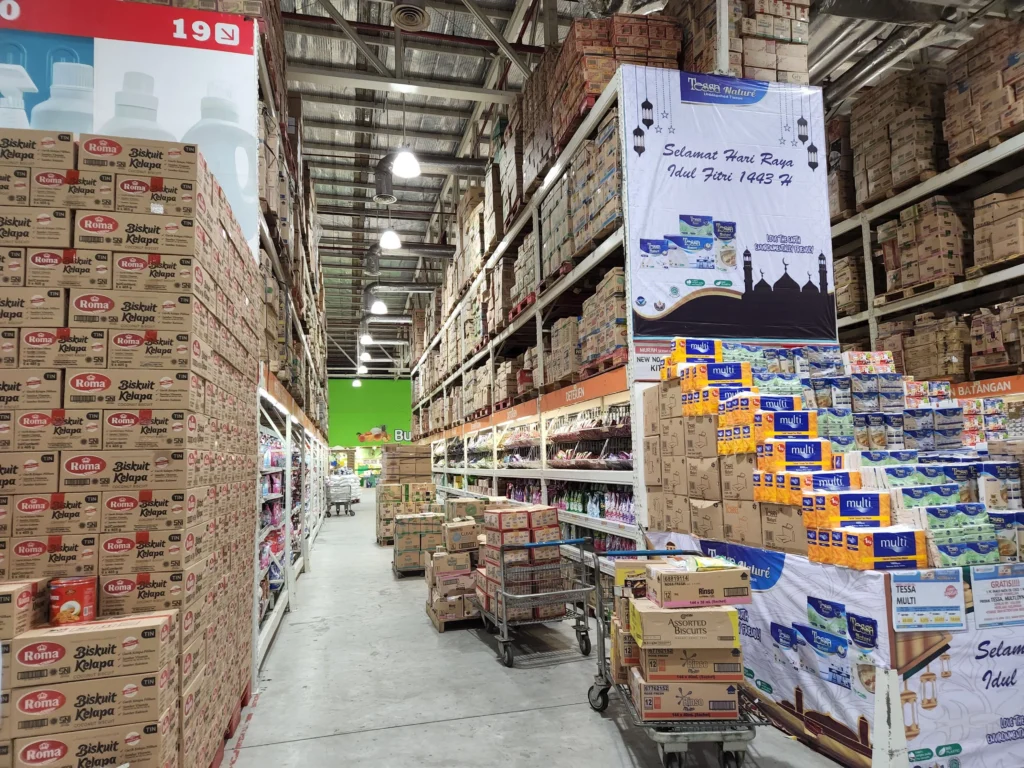
Yet every year, shoppers suffer serious injuries after being struck by falling merchandise in supermarkets, warehouse stores, big-box retailers, and other commercial properties.
From canned goods tumbling from high shelves to heavy appliances falling from display racks, these incidents can result in devastating injuries. Victims may suffer concussions, traumatic brain injuries, spinal damage, fractures, and potentially long-term medical complications.
When this happens, many people ask the same question:
If you get injured by falling merchandise in a store, who is liable?
The answer often depends on how the accident occurred, whether the store created the dangerous condition, and whether the business took reasonable steps to protect customers from harm.
In this guide, the attorneys at Insider Accident Lawyers explain how supermarket injury claims work and what injured shoppers should know about their legal rights.
Are Stores Responsible for Falling Merchandise?
In many situations, yes.
Stores have a legal duty to maintain reasonably safe premises for customers. This includes not only keeping floors clear of hazards but also ensuring that merchandise is stored, displayed, and stocked away safely.
Customers should be able to shop without worrying a heavy item will suddenly fall from a shelf and strike them. When a store fails to maintain safe displays or allows employees to stock merchandise negligently, the business may be held liable for resulting injuries.
This falls under an area of law known as premises liability.
As Insider Accident President, Shawn Rokni Esq. explains:
“Premises liability cases are about unsafe conditions.”
Unsafe conditions are not limited to wet floors and broken sidewalks. Improperly stacked merchandise, overloaded shelves, unstable displays, and careless stocking practices can all create dangerous conditions that put customers at risk.
How Falling Merchandise Accidents Happen
Many shoppers assume falling merchandise accidents are rare. Unfortunately, they happen more than people realize. Each year in the US there are more than 42,400 OSHA-recordable incidents involving falling or dropped objects, according to the Bureau of Labor Statistics.1
Some of the most common causes include:
Overloaded Shelves
Retail employees may place too many items on a shelf in an effort to maximize storage space.
When shelves become overloaded, products can shift, slide, or collapse unexpectedly.
Heavy Items Stored Too High
Large boxes, appliances, bulk products, and heavy containers should be stored carefully.
When heavy merchandise is placed on upper shelves without proper support, gravity can quickly turn a product into a dangerous projectile.
Unstable Product Displays
Retail displays are designed to attract attention.
However, poorly constructed displays can become unstable when customers interact with them or when products are removed.
Improper Employee Stocking Practices
This is one of the most common causes of supermarket injury claims.
Employees working quickly may place merchandise carelessly, stack products unsafely, or accidentally create dangerous conditions in neighboring aisles.
Shawn has handled numerous cases involving these scenarios. As he explains:
“[I’ve] handled cases where [employees] stack boxes in a negligent manner, put a heavy item at the top. So, when somebody was trying to grab something and the store racks moved even a little bit, the heavy item fell on the person’s head.”
The consequences can be severe. Shawn continues:
“I’ve had a bunch of cases where people may have even been knocked unconscious and had a concussion — had brain damage — because of a heavy item falling at the store.”
Those aren’t minor injuries.
A falling object may only travel a short distance, but when it involves heavy merchandise, the force generated can be significant.
A Real Example of Falling Merchandise Liability
One of the most compelling examples Insider Accident Lawyer’s Senior Litigation Attorney Edward Yim has encountered involved an employee creating a dangerous condition while stocking shelves.
Edward recalls:
“I had a client in a store and there was a clerk in the next aisle over, stocking that aisle. And as that clerk was stocking things, it was pushing items over into our aisle, to where items started falling into the next aisle and that’s what struck our client.”
This example highlights an important condition in supermarket injury claims.
The dangerous condition wasn’t caused by another customer or by an unknown event. It was created directly by the employee performing their job duties.
Edward explains:
“We were able to prove… that the employee caused the dangerous condition [by pushing] so many items up on the aisle… that they were falling off the other side and struck our client.”
In situations like this, liability is relatively cut and dry.
According to Edward:
“That’s an example of where the defendant themselves created that dangerous condition which in my mind is clear liability against them.”
These types of cases are often stronger because there is direct evidence connecting the store’s conduct to the customer’s injury.
Who Can Be Held Liable in a Supermarket Injury Claim?
Several parties may potentially share responsibility.
The Store Owner
In many cases, the business operating the store holds primary responsibility.
The company has a duty to:
- Train employees properly
- Conduct inspections
- Maintain safe shelving systems
- Monitor dangerous conditions
- Correct hazards promptly
When those responsibilities are ignored, liability may follow.
Employees
While individual employees may have created the dangerous condition, claims are typically pursued against the employer rather than the employee personally.
This is because employers are generally responsible for negligent actions committed by employees during the course of their employment.
Property Owners
Sometimes the building owner differs from the business operating inside the building.
In certain situations, property owners may share responsibility if defects in shelving systems, display structures, or building conditions contributed to the accident.
Third-Party Vendors
Some stores allow vendors to stock and maintain their own products.
If a third-party vendor created the dangerous condition, they may also bear liability.
Determining who is responsible often requires a detailed investigation.
What Must Be Proven in a Falling Merchandise Case?
Successful supermarket injury claims generally require proof of negligence. That means showing the store failed to exercise reasonable care.
Some examples include:
- Storing merchandise unsafely
- Failing to train employees
- Ignoring prior complaints
- Violating safety procedures
- Overloading shelves
- Creating unstable displays
- Failing to inspect inventory areas
In many falling merchandise cases, one key question becomes whether the store knew, or should have known, that a dangerous condition existed.
However, when employees directly create the hazard, proving notice may be easier.
If an employee caused the problem, the store cannot simply argue that it was unaware of the danger. In many jurisdictions, the employee’s knowledge is legally attributed to the employer.
That distinction can significantly strengthen a claim.
Injuries Caused by Falling Merchandise
It’s easy to underestimate how serious these accidents can be. A falling can of soup may cause a bump or a bruise; a falling television, power tool, or bulk warehouse item can change a person’s life in an instant.
Common injuries seen in supermarket injury claims include:
Traumatic Brain Injuries
Head injuries are among the most serious consequences of falling merchandise accidents.
Victims may experience:
- Concussions
- Memory problems
- Headaches
- Dizziness
- Cognitive impairment
- Long-term neurological symptoms
Neck and Spine Injuries
The force of a falling object can compress the neck and spine, leading to:
- Herniated discs
- Nerve damage
- Chronic pain
- Reduced mobility
- Surgical intervention
Shoulder Injuries
Many victims instinctively try to protect themselves by raising their arms.
Unfortunately, this often results in:
- Rotator cuff tears
- Dislocations
- Ligament injuries
- Fractures
Facial and Eye Injuries
Falling products often impact the face, causing:
- Broken noses
- Dental injuries
- Eye trauma
- Facial fractures
- Permanent scarring
Emotional Trauma
Physical injuries aren’t the only consequence.
Many people develop anxiety after being injured in a public place. Some victims become hesitant to shop alone or return to the store where the incident occurred.
Crucial Evidence in Supermarket Injury Claims
Evidence is often the difference between a successful claim and a denied claim.
Stores and insurance companies frequently argue that an accident was unavoidable or that they were not responsible.
The stronger the evidence, the harder those arguments become.
Surveillance Footage
Most supermarkets have extensive security camera systems.
Video footage may show:
- The merchandise falling
- Employee conduct before the incident
- Unsafe stocking practices
- Prior warning signs of instability
- The aftermath of the accident
Unfortunately, surveillance footage is often deleted or overwritten quickly. That’s why it’s important to contact an attorney as soon as possible. An experienced lawyer can send a preservation letter requiring the store to retain evidence relevant to the claim.
Photographs
Take photographs of:
- The merchandise involved
- The shelving system
- The surrounding area
- Warning signs
- Employee activity
- Visible injuries
Pictures taken immediately after an accident can be incredibly powerful.
Witness Statements
Witnesses can help establish:
- What they saw
- Whether employees caused the hazard
- Whether merchandise appeared unstable
- Whether prior complaints were made
Incident Reports
Always report the accident to the store management. Many businesses create internal reports that may later become important evidence.
What Should You Do if Merchandise Falls on You in a Store?
The moments immediately after an accident can feel overwhelming. You may be embarrassed, confused, or unsure how seriously you’ve been injured.
However, taking the right steps can protect both your health and your legal rights.
Seek Medical Attention
Always prioritize your health. Even if you feel ok initially, symptoms of a concussion or spinal injury may not appear immediately.
Prompt treatment creates an important medical record linking your injuries to the incident.
Report the Incident
Notify management immediately. Request that an incident report be completed and ask for a copy if possible.
Document Everything
Take photos and videos before the scene changes. Store employees may quickly remove merchandise or restack shelves. The sooner evidence is preserved, the better.
Gather Witness Information
Ask for names and contact information from anyone who saw what happened. Independent witnesses can be incredibly valuable later.
Contact a Lawyer
The sooner an attorney becomes involved, the greater the opportunity to preserve surveillance footage, interview witnesses, and investigate the dangerous condition.
How Stores and Insurance Companies Defend These Claims
Supermarkets rarely admit fault immediately. Instead, businesses and their insurers often look for ways to minimize liability.
Some common defenses include:
“The Customer Caused It”
The store may argue that the customer pulled on merchandise improperly or destabilized the display.
“The Condition Was Obvious”
Businesses sometimes claim the danger was visible and should have been avoided.
“We Didn’t Know About It”
Stores may argue they had no notice of the dangerous condition. This defense becomes much more difficult when employees themselves created the hazard.
As Edward’s case demonstrates, proving that a store employee directly caused merchandise to fall can significantly strengthen a claim.
Quick Settlement Offers
Some insurers attempt to settle claims before victims understand the full extent of their injuries.
Accepting an early settlement can be risky, particularly when head injuries, neck injuries, or spinal injuries are involved.
Medical complications sometimes develop weeks or months after the accident.
Can You Sue a Store for Falling Merchandise?
It is possible to sue a store for injuries resulting from falling merchandise. However, each case depends on its facts.
If a grocery store, warehouse retailer, supermarket, or big-box store failed to maintain safe conditions and that failure caused your injury, you may have the right to pursue compensation.
The key question is often whether a store acted reasonably under the circumstances.
The Crux of Supermarket Injury Claims
Most shoppers never expect a routine trip to the grocery store to end with an ambulance ride, emergency room visit, or month of recovery.
Yet falling merchandise accidents happen every year, often because stores fail to follow basic safety procedures.
Whether the incident involves unstable shelving, overloaded displays, negligent stocking practices, or merchandise falling from a neighboring aisle, injured customers deserve answers.
The law requires businesses to provide reasonably safe premises for the people they invite inside. When they fail to meet that responsibility, they can and should be held accountable.
If you or a loved one has been injured by falling merchandise in a grocery store, supermarket, warehouse club, or retail store, the team at Insider Accident Lawyers can help investigate the accident, preserve critical evidence, and determine who may be liable for your injuries.
Because no-one should suffer a serious injury simply for doing their weekly shopping.
References
- “Dropped Objects on the Job Stats & Facts.” BHHC Safety Center, Berkshire Hathaway Homestate Companies, bhhcsafetycenter.com/dropped-objects-on-the-job-stats-facts/?print=pdf. Accessed 18 June 2026
About the Author

Emily Stone
Emily Stone is a Legal Content Writer at Insider Accident Lawyers, where she specializes in translating complex legal topics into engaging and accessible content. She holds a B.A. in Creative Writing from York St John University in the United Kingdom (though she’s now LA-based) and is passionate about helping readers better understand their legal options through informative, reader-friendly writing.