
Jail & Prison Abuse Lawyer Los Angeles
Cell Swapping and Unsafe Inmate Placement as Hidden Forms of Jail and Prison Abuse
How Dangerous Housing Decisions Can Lead to Assaults, Sexual Abuse, Serious Injuries, and Wrongful Death; and How Victims Can Fight for Compensation
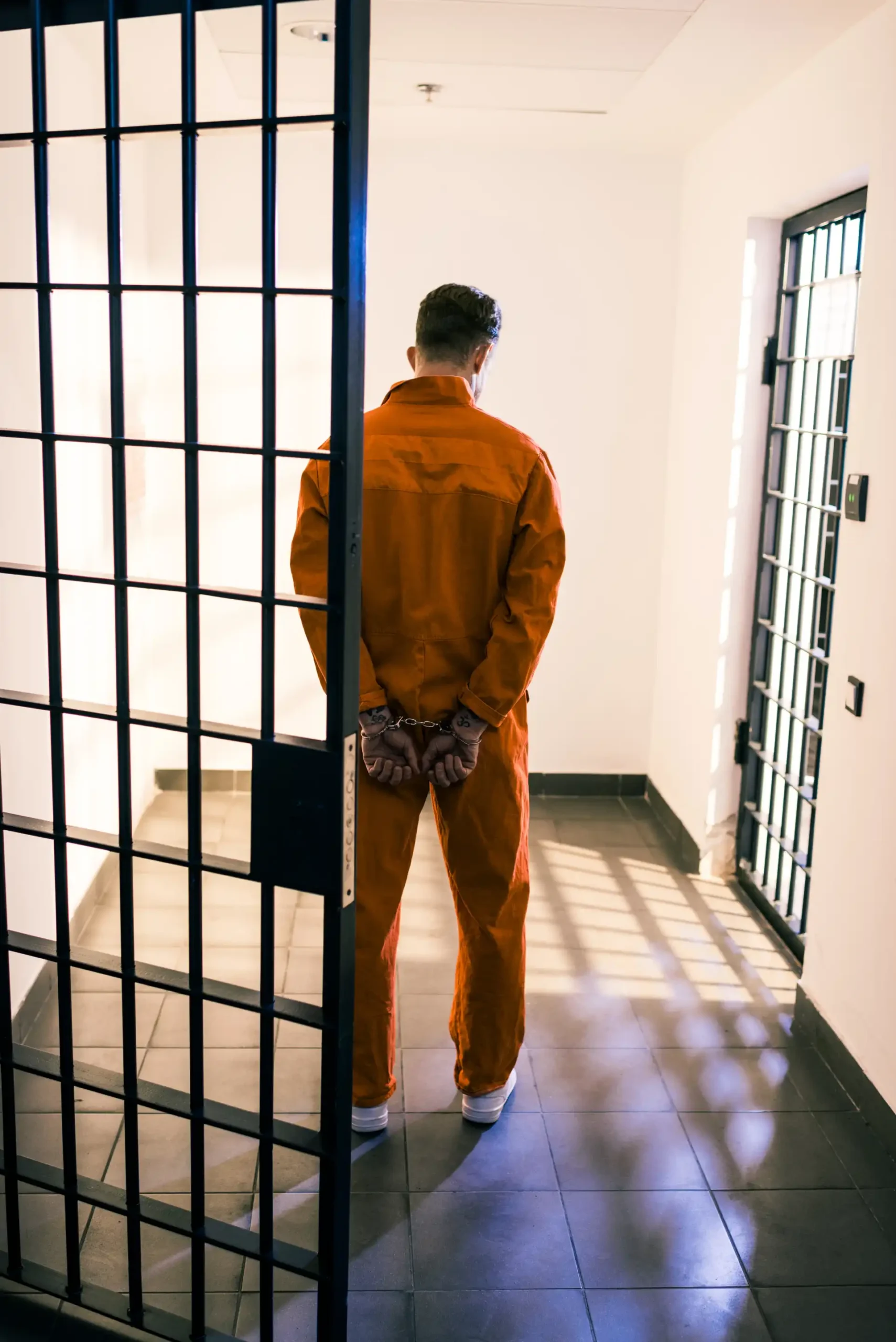
When individuals are taken into police custody, whether jailed to wait for their trial, or sentenced to serve time in a correctional facility, they lose their freedom and many other civil liberties. This doesn't mean, however, that they also relinquish their basic human rights. Inmates' rights must still be upheld and protected, starting with their right to be reasonably safe from physical and sexual violence.
Correctional institutions and law enforcement agencies are mandated by federal and state laws to practice their absolute, non-negotiable duty of care to protect individuals under their control.
Unfortunately, police misconduct and jail abuse happen a lot. When most people think of police misconduct and abuse in correctional facilities, they typically imagine the authorities using excessive force, unlawful arrests, or physical violence against inmates. Or think of police shootings.
What many are unaware of is that some of the most devastating injuries inside jails and prisons take place without a correctional officer ever laying a hand on an inmate.
Instead, the harm usually emanates from a dangerous housing decision.
There are many ways these "silent" abuses can occur. A correctional official may place a vulnerable inmate in a cell with a known violent offender. A jail may ignore repeated complaints and warnings that an inmate is being threatened. Prison officials may fail to separate rival gang members, known hostile enemies, or inmates with documented histories of violence.
Many of these abuses may constitute an unsafe inmate placement.
In other cases, it may involve cell swapping or a failure to properly classify and separate inmates.
When jailers treat inmate safety with serious disregard, it can result in severe beatings, stabbings, sexual assaults, traumatic brain injuries, permanent disabilities, and even death.
Cell swapping and unsafe inmate placement as forms of correctional misconduct are often not as talked about or reported as excessive-force cases, but they can be just as devastating.
At Insider Accident Lawyers, we believe correctional institutions must be held accountable when preventable harm occurs because officials ignored known risks, failed to follow safety procedures, or disregarded the rights and safety of incarcerated individuals. We have experienced and competent correctional negligence attorney ready to fight for you.
FREE CONSULTATION FOR JAIL ABUSE AND INMATE ASSAULT CASES
If you or a loved one suffered serious injuries because of inmate violence, unsafe housing decisions, correctional negligence, or a failure to protect, you have available legal options you can consider. Even in jail, you or your loved one has rights that must be protected. Act fast to preserve evidence and have a stronger case to get the justice and compensation you deserve.
Call Insider Accident Lawyers Now.
Free Consultation
No Fees Unless We Win
Serious Injury Cases Welcome Including Jail Assault Claim and Unsafe Inmate Placement
Call (213) 371-5315 now to speak with an inmate assault lawyer in California.
📞 Call (213) 371-5315What Is Cell Swapping?
Cell swapping refers to the movement of inmates from one housing assignment to another.
On the surface, there is nothing alarming or even improper about changing an inmate's housing assignment.
In fact, correctional facilities routinely move inmates for legitimate reasons, including:
- Medical needs
- Mental health treatment
- Protective custody
- Security concerns
- Classification changes
- Population management
- Disciplinary reasons
- Program participation
However, the issue becomes much more serious when a housing decision places an inmate in a foreseeable, and therefore, avoidable, danger.
The problem is not the transfer itself. The issue is whether officials acted reasonably and responsibly when making such decision.
What Is Unsafe Inmate Placement?
Unsafe Inmate Placement is also known as Negligent Classification.
Jails and prisons must follow an intake and classification process. When a person enters a facility, staff must evaluate several criteria to determine where a particular inmate can be safely housed. This includes analyzing:
- Mental Health Status: Is the person actively psychotic, severely disabled, or a suicide risk?
- Criminal History and Severity: Is the individual a non-violent, first-time pretrial detainee, or a seasoned, high-security violent offender?
- Gang Affiliations: Are there active, lethal rivalries that require total separation?
- Vulnerability: Is the individual physically frail, a member of the LGBTQ+ community, or an informant, making them a prime target for exploitation or violence?
Unsafe inmate placement occurs when correctional staff assign an inmate to housing that exposes them to an unreasonable risk of harm.
This can happen because of:
- Inadequate classification procedures
- Failure to review inmate histories
- Failure to investigate threats
- Poor supervision
- Staffing shortages
- Administrative errors
- Deliberate disregard of known risks
California regulations recognize the importance of inmate classification and placement decisions. State regulations provide for inmate placement based on security levels and other floors and they also authorize removal from general population when an inmate's presence becomes an immediate safety threat.
When those regulations are violated, the consequences can be dangerous, if not fatal.
Why Unsafe Inmate Placement Is a Form of Police and Correctional Misconduct
Why Is This Classified as Police and Correctional Misconduct?
When some people think of personal injury claims, they automatically think of car accidents and slip and falls in commercial establishments, and other private and public properties. In truth, personal injury is not limited to vehicular accidents and slip and fall incidents alone. Cell swapping and unsafe placement represent a severe category of institutional personal injury rooted in official misconduct and constitutional abuse.
- Abuse of an Absolute Power Imbalance: Incarcerated individuals cannot walk away, lock their own doors, hire private security, or choose their roommates. They are entirely dependent on their jailers for survival. Weaponizing this environment is an egregious abuse of authority.
- Using Inmates as Proxies for Violence: Instead of physically beating an inmate themselves—which would leave clear forensic evidence and draw immediate scrutiny—corrupt officers use violent inmates as physical proxies to inflict harm on a targeted individual.
- Deliberate Dereliction of Duty: Officers are paid and sworn to maintain order and protect human life. Setting up a "gladiator fight" or ignoring a clear threat is a complete abandonment of their legal mandate.
It is easy for many people to assume that if one inmate assaults another inmate, only the attacker is responsible. But the law offers more nuances than such a simple take on prison fights.
Correctional institutions have responsibilities that do not end after simply locking people behind bars.
Courts have long recognized that correctional officials have a duty to take reasonable measures to protect inmates from violence by other inmates.
This duty exists because incarcerated individuals generally do not have the capacity to immediately remove themselves from dangerous situations.
Their safety frequently relies on decisions made by correctional staff.
When officials ignore obvious dangers, fail to investigate threats, or knowingly place inmates into dangerous situations, those decisions may give rise to legal claims.
Failure to Protect Inmates: A Critical Legal Concept
One of the most important legal theories in these cases is known as a failure-to-protect claim.
Under constitutional law, correctional officials may violate an inmate's rights if they knowingly disregard a substantial risk of serious harm.
The United States Supreme Court's decision in Farmer v. Brennan remains one of the most important cases in this area. The Court explained that prison officials may be liable when they know an inmate faces a substantial risk of serious harm and disregard that risk by failing to take reasonable measures to address it.
In practical terms, this means correctional officials cannot simply ignore known dangers, and not act on them before the said perils are actualized.
Examples may include:
- Known gang conflicts
- Specific threats
- Prior assaults
- Sexual assault risks
- Protective custody requests
- Documented vulnerabilities
When warnings exist and officials fail to act appropriately, serious legal issues may arise.
Can I Sue the Jail if Another Inmate Attacked Me?
One of the most common misconceptions about inmate assaults is that only the attacker can be held responsible.
In reality, there are situations where a jail, prison, county agency, or correctional institution may also bear legal responsibility.
The key issue is often whether correctional officials knew, or should have known, that substantial risk of harm existed.
For example, liability questions may arise when:
- Officials ignored repeated threats
- Staff failed to separate known enemies
- Protective custody requests were denied without adequate review
- Vulnerable inmates were housed with violent offenders
- Classification procedures were not followed
- Prior assaults or disciplinary histories were ignored
Simply because an assault occurred does not automatically mean a lawsuit exists.
However, when evidence shows officials had advance notice of danger and failed to take reasonable protective measures, legal claims may arise.
These cases are frequently referred to as:
- Failure-to-protect claims
- Correctional negligence claims
- Jail abuse lawsuits
- Prison civil rights claims
- Unsafe inmate placement lawsuits
Because every case is different, a thorough investigation is essential.
When Officials Know About the Danger but Do Nothing
Many of the strongest inmate assault cases involve warning signs that existed long before the attack.
Examples include:
Repeated Complaints
An inmate may repeatedly report threats from another inmate to jail officials or guards on duty.
Prior Assaults
Officials may know an inmate has a history of violence.
Gang Intelligence
Correctional staff may have information regarding gang conflicts.
Protective Custody Requests
An inmate may request separation or protective housing.
Mental Health Concerns
Some inmates are especially vulnerable because of mental health conditions, developmental disabilities, age, or other factors.
When these warning signs are ignored, victims and their families often ask the same question:
"Why didn't someone stop this before it happened?"
That question frequently becomes the center of the legal investigation.
Does This Happen in California?
Unfortunately, the answer to this question is a resounding yes. To start with, California's massive carceral system, consisting of the California Department of Corrections and Rehabilitation (CDCR) and sprawling county jail systems, has a long, well-documented history of cell swapping and unsafe placement scandals.
For years, major class-action lawsuits like Coleman v. Newsom and Plata v. Newsom have forced federal oversight of California prisons due to dangerous overcrowding and catastrophic failures in mental health care and safe housing. When facilities operate at 130% to 200% capacity, classification protocols are bound to collapse, resulting in maximum-security offenders being mixed with non-violent populations.
Furthermore, California county jails are notorious hotspots for unsafe placement. For example, the Los Angeles County jail system, the largest jail system in the nation, has faced relentless litigation regarding its subhuman conditions and failure to separate vulnerable, mentally ill pretrial detainees from violent general population inmates.
This does not mean every inmate assault results from negligence. But it does demonstrate that housing decisions should be taken seriously because they can directly affect inmate safety.
County Jails vs. State Prisons: Why the Difference Matters
Many people use the terms "jail" and "prison" interchangeably. But there can be crucial differences in legal terms.
County Jails
County jails generally house:
- Pretrial detainees
- Individuals serving shorter sentences
- Individuals awaiting transfer
County agencies often operate these facilities.
State Prisons
State prisons generally house individuals serving longer sentences after conviction.
In California, state prisons are operated through the California Department of Corrections and Rehabilitation (CDCR).
Different agencies, policies, procedures, and legal considerations may apply depending on where the injury occurred.
Understanding who controlled the facility is often a critical part of any investigation.
Warning Signs Before an Inmate Assault Occurs
In many cases, there are warning signs before violence erupts.
Potential warning signs include:
- Repeated requests for housing changes
- Threats from gang members
- Extortion demands
- Reports of harassment
- Prior violent incidents
- Fear of a specific inmate
- Requests for protective custody
- Sexual harassment complaints
- Prison Rape Elimination Act (PREA)
- Escalating conflicts within housing units
What Can Victims and Their Families Do?
If you are currently incarcerated or are a family member of someone being subjected to unsafe placement or cell swapping, you must take strategic steps immediately to protect your life and preserve your legal rights:
- File an Emergency Internal Grievance: You must immediately file an official, written grievance documenting the safety threat or the assault. Clearly use keywords like "Failure to Protect," "Safety Threat," and "Immediate Physical Danger."
- Request a Hard Copy and Confirmation: Keep a copy of every grievance filed. If you are a family member, send a fax, certified letter, or email to the jail's ombudsman, warden, or internal affairs division documenting the threat.
- Report to Outside Entities: Contact organizations like the Prison Law Office, the ACLU, or a trusted personal injury attorney who handles civil rights abuses behind bars.
- Do Not Remain Silent Out of Fear: While retaliation is a valid concern, building a paper trail is often the only mechanism that forces administrators to move an inmate out of harm's way before a fatal attack occurs.
How and What to Document to Build a Winning Injury Case
In a personal injury case involving jail misconduct, evidence is everything. Government entities will actively attempt to delete, lose, or overwrite evidence. To secure a high-value settlement or verdict, you must document the abuse thoroughly:
Victims and families should exert all efforts to preserve all potential evidence. The earlier concerns are documented, the stronger a potential claim may become.
Remember these important truths:
- Threats should always be taken seriously.
- If an assault occurs, getting prompt medical documentation may become critical evidence.
- Seek legal advice early because early legal intervention may help preserve evidence before it disappears.
- Documentation often helps establish whether officials had prior notice of danger and could have prevented it.
Why Early Legal Intervention Matters
One of the biggest mistakes families make is waiting too long to seek legal advice.
- Evidence can disappear quickly.
- Surveillance footage may be overwritten.
- Witnesses may become difficult to locate.
- Records may be lost or harder to obtain.
- The sooner an attorney becomes involved, the sooner steps can be taken to preserve critical evidence.
- This is especially important in serious injury and wrongful death cases.
Protect Your Rights Before Critical Evidence Disappears
If you or a loved one was assaulted after being placed in a dangerous housing assignment, do not assume the attack was simply an unavoidable part of incarceration.
In many cases, the most important question is not merely who committed the assault.
It is whether correctional officials knew the danger existed and failed to act.
Victim of Jail or Prison Assault Due to Unsafe Inmate Placement?
Contact Insider Accident Lawyers Today
You or your loved one's rights are extant even while in jail or prison, and as such your safety and protection matter. Jail and prison officials are duty-bound to ensure no inmate suffers from preventable violence and harm. If you or your loved one has suffered devastating injuries due to unsafe inmate placement, you have to act fast as your own safety or your loved one's life can still be in danger and the next act of violence can be more harmful, if not fatal. Protect your rights, make the institution and officials responsible for the harm done to you accountable, preserve evidence, and get the maximum compensation and justice you deserve.
- Call Insider Accident Lawyers Now.
- ✓ Free Consultation
- ✓ No Fees Unless We Win
- ✓ Serious Injury Cases
- ✓ Wrongful Death Cases
- ✓ Jail Abuse and Prison Negligence Claims
- ✓ Your consultation is confidential, and there is no obligation to move forward
Call (213) 371-5315 now to speak with a jail abuse attorney or a prison abuse lawyer.
📞 Call (213) 371-5315Federal and California Laws That Protect Inmates from Unsafe Housing Decisions
Many people are surprised to learn that incarcerated individuals retain important constitutional and legal rights, even for those who are serving time as punishment for the crimes they have committed.
A jail sentence or prison sentence does not strip a person of all legal protections.
While correctional institutions have broad authority to maintain safety and security, they also have legal obligations to protect inmates from foreseeable harm.
When unsafe inmate placement, cell swapping, or housing decisions expose an inmate to violence, several areas of law may come into play.
Understanding these laws is important because they often form the foundation of lawsuits involving inmate assaults, sexual abuse, serious injuries, and wrongful death.
The Eighth Amendment: Protection Against Cruel and Unusual Punishment
One of the most important legal protections for convicted inmates is found in the Eighth Amendment to the United States Constitution.
The Eighth Amendment prohibits cruel and unusual punishment.
This protection extends beyond physical abuse by correctional officers.
Courts have recognized that correctional officials cannot knowingly ignore substantial risks to inmate safety.
In the landmark case of Farmer v. Brennan, the United States Supreme Court held that prison officials may be liable when they know an inmate faces a substantial risk of serious harm and disregard that risk by failing to take reasonable measures to address it.1
The significance of this ruling cannot be overly emphasized.
Many unsafe inmate placement cases revolve around a simple question:
Did correctional officials know about the danger?
Examples may include:
- Prior threats
- Known gang rivalries
- Protective custody requests
- Previous assaults
- Sexual victimization risks
- Medical or mental health vulnerabilities
When warning signs exist and officials fail to respond appropriately, constitutional issues may arise.
The Fourteenth Amendment and Pretrial Detainees
Not everyone housed in a jail has been convicted of a crime.
Many individuals are awaiting trial.
These individuals are often referred to as pretrial detainees.
Pretrial detainees generally receive protection under the Fourteenth Amendment's Due Process Clause.
Courts have recognized that correctional facilities must take reasonable measures to protect detainees from known dangers.
Although the legal standards may differ from those applied to convicted prisoners, the underlying principle remains similar:
Correctional facilities cannot ignore serious and foreseeable threats to inmate safety.
This is especially important in county jails throughout California where large numbers of individuals are awaiting trial.
What Is a Civil Rights Lawsuit Under 42 U.S.C. § 1983?
Many unsafe inmate placement cases involve a federal law known as 42 U.S.C. § 1983.2
This statute allows individuals to seek damages when government officials violate constitutional rights while acting under color of law.
Section 1983 lawsuits may arise when:
- Officials knowingly ignore threats
- Staff fail to protect vulnerable inmates
- Classification decisions disregard obvious dangers
- Correctional agencies maintain unconstitutional practices
- Housing decisions expose inmates to foreseeable violence
These cases are often complex and require substantial investigation.
Important evidence may include:
- Internal reports
- Classification records
- Housing decisions
- Witness testimony
- Prior complaints
- Training materials
- Surveillance footage
A successful civil rights claim may help hold government agencies accountable and compensate victims for their injuries.
California Laws and Regulations Governing Inmate Housing
California has extensive regulations governing inmate classification, housing, and institutional safety.
The California Department of Corrections and Rehabilitation (CDCR) utilizes classification systems designed to evaluate factors such as:
- Security concerns
- Violence history
- Escape risk
- Mental health needs
- Medical needs
- Program participation
These systems exist because inmate placement decisions directly affect safety.
California regulations also authorize removal from general population when an inmate's placement presents an immediate threat to safety.3
The existence of these regulations demonstrates that housing decisions are not random administrative actions. Rather, they are justly recognized as important safety measures.
It cannot be overemphasized that ignoring procedures can lead to catastrophic injuries.
Understanding California Government Claims Deadlines
Many inmate assault cases involve county, city, or state government entities.
That creates unique procedural requirements.
In California, claims against public entities are often subject to strict notice requirements and shortened deadlines.
Missing a deadline can jeopardize an otherwise valid claim.
Because these deadlines may vary depending on the circumstances, victims and families should seek legal advice as soon as possible after an assault or injury.
Early legal intervention can help preserve rights and ensure compliance with procedural requirements.
Does Every Inmate Assault Create Liability?
No. Not every inmate assault automatically results in a lawsuit.
Correctional facilities cannot guarantee that violence will never occur.
The legal question is typically whether the danger was foreseeable and whether reasonable steps were taken to address it.
Factors that may be considered include:
- Prior warnings
- Threat reports
- Classification information
- Staff knowledge
- Available alternatives
- Institutional policies
Each case depends on its unique facts.
That is why a detailed investigation is so important.
The Prison Rape Elimination Act (PREA)
One of the most important developments in correctional safety over the past two decades has been the Prison Rape Elimination Act, commonly known as PREA.4
PREA was enacted to address sexual abuse and sexual harassment in correctional facilities.
The law has significantly changed how institutions evaluate inmate vulnerability and housing decisions.
PREA emphasizes:
- Screening procedures
- Risk assessments
- Reporting mechanisms
- Investigations
- Staff training
- Housing considerations
Correctional facilities are expected to evaluate factors that may increase vulnerability to sexual victimization or predatory behavior.
PREA audits and compliance reviews often examine whether housing decisions appropriately account for these risks.
Why PREA Matters in Unsafe Inmate Placement Cases
Many people assume PREA applies only after sexual abuse occurs.
In reality, PREA also focuses on prevention.
Housing decisions are often central to prevention efforts.
Examples of concerns that may arise include:
- Housing vulnerable inmates with known predators
- Ignoring reports of sexual threats
- Failing to reassess housing after complaints
- Disregarding vulnerability assessments
These issues cannot simply be ignored because they can lead to grave harm if left unaddressed.
In some cases, the failure to properly consider PREA-related risks may become important evidence.
Retaliation Through Housing Assignments
One of the least-discussed forms of correctional misconduct involves allegations that housing decisions are used as retaliation.
Retaliation claims are highly fact-specific and not every housing change is improper.
However, allegations sometimes arise when inmates report:
- Staff misconduct
- Abuse
- Corruption
- Safety concerns
- Civil rights violations
Potential warning signs may include situations where an inmate experiences negative housing consequences shortly after engaging in protected activity.
Examples of protected activity may include:
- Filing grievances
- Reporting misconduct
- Cooperating in investigations
- Seeking legal assistance
- Providing witness statements
When housing decisions are allegedly used as punishment rather than legitimate correctional objectives, additional legal concerns may arise.
Illustrative Scenario: Retaliatory Housing Assignment
Imagine an inmate repeatedly reports threats from another inmate and files formal grievances requesting protection.
But instead of investigating the concerns, officials transfer the inmate into a housing unit containing individuals associated with the very group making the threats.
Weeks later, the inmate is seriously assaulted.
This scenario does not automatically establish liability.
However, it demonstrates why housing decisions often require careful scrutiny.
The key questions become:
- What did officials know?
- When did they know it?
- What actions did they take?
- Were safer alternatives available?
- Could the officials have prevented the assault?
These are precisely the questions an experienced prison abuse attorney would investigate.
How Insider Accident Lawyers Investigates Unsafe Inmate Placement Cases
These cases require far more than simply reviewing an incident report.
Our investigation may involve:
Reviewing Classification Decisions
Why was the inmate placed in a particular housing assignment?
Examining Threat Histories
Were threats documented before the assault?
Obtaining Institutional Records
Did staff follow required procedures?
Analyzing Surveillance Evidence
What actually happened?
Interviewing Witnesses
Who knew about the danger?
Reviewing Medical Evidence
What injuries occurred?
Consulting Experts
Experts may assist with:
- Correctional practices
- Classification procedures
- Institutional safety standards
- Medical issues
- Psychological trauma
The goal is to determine whether the harm could and should have been prevented.
Why Early Investigation Is Critical
Evidence rarely becomes easier to obtain with time.
Important records may be:
- Lost
- Deleted
- Overwritten
- Difficult to locate
Witness memories may fade.
Staff may transfer.
Surveillance footage may no longer exist.
The earlier an attorney becomes involved, the better the opportunity to preserve critical evidence.
Do Not Wait Until Important Evidence Is Gone
If you believe an inmate was injured because correctional officials ignored threats, failed to provide protection, or made dangerous housing decisions, legal guidance may be available.
Contact Insider Accident Lawyers Today
- ✓ Free Consultation
- ✓ No Fees Unless We Win
- ✓ Serious Injury Cases
- ✓ Wrongful Death Cases
- ✓ Jail Abuse and Correctional Negligence Claims
The sooner an investigation begins, the greater the likelihood that key evidence can be preserved and reviewed.
📞 Call (213) 371-5315Compensation Available to Victims of Unsafe Inmate Placement and Failure-to-Protect Cases
The physical, emotional, and financial consequences of an inmate assault can be devastating.
Many victims require emergency medical care, hospitalization, surgery, rehabilitation, counseling, and long-term treatment.
In some cases, the injuries never fully heal.
When correctional negligence, unsafe inmate placement, cell swapping, or a failure to protect contributes to an assault, victims may have the right to pursue compensation through civil claims.
The exact damages available depend on the facts of the case, the injuries involved, the parties responsible, and the applicable laws.
Medical Expenses
Victims may incur substantial medical costs, including:
- Emergency room treatment
- Hospitalization
- Surgery
- Diagnostic testing
- Prescription medications
- Physical therapy
- Rehabilitation services
- Psychological counseling
- Psychiatric treatment
Serious inmate assaults frequently result in significant medical expenses that can continue long after the incident.
Future Medical Care
Some injuries require ongoing treatment.
Examples include:
- Traumatic brain injuries
- Spinal cord injuries
- Chronic pain conditions
- Facial reconstruction
- Orthopedic injuries
- Permanent disabilities
Future medical costs can be a major component of damages.
Lost Income and Reduced Earning Capacity
Some victims are unable to return to work following serious injuries.
Compensation may be available for:
- Lost wages
- Lost employment opportunities
- Reduced earning capacity
- Future income losses
Pain and Suffering
Not all injuries are financial.
Victims often endure:
- Physical pain
- Emotional distress
- Fear
- Anxiety
- Depression
- Loss of enjoyment of life
These damages can be substantial in severe assault cases.
Common Types of Injuries Caused by Unsafe Inmate Placement
Unsafe inmate placement can lead to a wide range of injuries, many of which have lifelong consequences.
Common injuries include:
Traumatic Brain Injuries
Head trauma can result in:
- Memory loss
- Cognitive impairment
- Personality changes
- Chronic headaches
- Long-term disability
Spinal Cord Injuries
Victims may suffer:
- Partial paralysis
- Permanent mobility limitations
- Chronic pain
Fractures and Orthopedic Injuries
Assaults frequently cause:
- Broken arms
- Broken legs
- Facial fractures
- Rib fractures
Internal Injuries
Serious assaults can result in:
- Organ damage
- Internal bleeding
- Emergency surgery
Psychological Trauma
Many victims experience:
- PTSD
- Anxiety
- Depression
- Panic attacks
- Sleep disturbances
The emotional impact of inmate violence can persist for years after physical wounds heal.
The Psychological Impact of Inmate Violence
Many people focus on physical injuries while overlooking psychological trauma.
In reality, emotional injuries are often among the most severe consequences.
Victims may experience:
- Post-traumatic stress disorder (PTSD)
- Panic attacks
- Nightmares
- Depression
- Anxiety disorders
- Hypervigilance
- Emotional withdrawal
Victims of sexual assault or repeated victimization may suffer particularly significant psychological harm.
Mental health treatment records frequently become important evidence in these cases.
Wrongful Death Claims Involving Unsafe Inmate Placement
The most tragic inmate housing cases involve loss of life.
Families are often left wondering:
- Could this have been prevented?
- Did officials know about the danger?
- Were warnings ignored?
- Were policies violated?
When correctional negligence contributes to a fatal assault, surviving family members have legal rights.
How Wrongful Death Cases Arise
Examples may include:
- Failure to separate known enemies
- Ignoring repeated threats
- Housing vulnerable inmates with violent offenders
- Failure to respond to known safety risks
- Inadequate supervision
- Delayed emergency response
These cases require immediate investigation because critical evidence can disappear quickly.
Damages in Wrongful Death Cases
Depending on the facts and applicable law, families may seek compensation for:
- Funeral expenses
- Burial expenses
- Loss of financial support
- Loss of companionship
- Loss of care and guidance
- Other legally recoverable damages
Wrongful death claims often involve complex legal issues and strict deadlines.
Illustrative Scenario: Ignored Warnings Before an Assault
The following example is hypothetical and provided solely for educational purposes.
An inmate repeatedly informs correctional staff that another inmate has threatened them with violence.
Several grievances are filed.
Witnesses confirm escalating tensions.
Despite these warnings, no meaningful action is taken.
Weeks later, the inmate is attacked and suffers multiple fractures and a traumatic brain injury.
The central legal questions may include:
- Were threats reported?
- Did officials know about them?
- Were policies followed?
- Could the assault reasonably have been prevented?
These are precisely the types of issues investigated in failure-to-protect cases.
llustrative Scenario: Unsafe Housing of a Vulnerable Inmate
A young inmate with no history of violence is housed with an inmate who has a documented record of assaults.
Concerns are raised regarding compatibility.
Those concerns are allegedly ignored.
A serious assault occurs.
Again, the legal issue is not simply whether an assault happened.
The key issue is whether officials acted reasonably when making housing decisions.
Recent Developments Highlighting the Importance of Inmate Safety
Across the country, correctional institutions continue to face scrutiny regarding inmate safety, violence prevention, and housing decisions.
Recent oversight efforts have focused on:
- Classification systems
- Restricted housing practices
- Violence prevention
- PREA compliance
- Institutional accountability
- Staff training
- Correctional reforms
California continues to review inmate housing practices and safety procedures through regulatory oversight and policy reforms.
These ongoing reviews demonstrate the importance of proper inmate classification and housing decisions.
Recent Developments: The Los Padrinos "Gladiator Fights" Scandal
The reality of this abuse became even more glaring in a shocking recent development in Southern California. The California Department of Justice launched a massive criminal investigation that culminated in a grand jury indictment against 30 detention services officers at Los Padrinos Juvenile Hall in Downey, California.
The indictment alleged that these officers actively facilitated, permitted, and encouraged 69 distinct "gladiator fights" among minors aged 12 to 18 under their care over a six-month period. Instead of intervening, these officers weaponized housing and common spaces, intentionally allowing youth inmates to physically brutalize one another for their own form of "entertainment" or to enforce compliance.
This sweeping case sent a powerful message across California: the state will criminally prosecute officers who orchestrate inmate violence. It also opened the door for massive civil and personal injury lawsuits on behalf of the 143 youth victims involved.
Why These Cases Matter
Some people mistakenly believe inmate assaults are simply an unavoidable part of incarceration. But that is not what the law says.
While correctional facilities cannot eliminate all risk, they are expected to take reasonable measures to address known dangers.
A prison sentence should not become a death sentence. Nor should inmates be subjected to preventable violence because warnings were ignored.
Unsafe inmate placement cases are fundamentally about accountability.
When institutions fail to protect individuals under their control, legal action may be one of the few ways to obtain answers and seek justice.
Why Choose Insider Accident Lawyers?
Not every personal injury law firm is equipped to handle correctional negligence and civil rights cases.
These cases are often highly complex.
They may involve:
- Government entities
- Constitutional claims
- Correctional policies
- Expert testimony
- Extensive records review
- Significant investigation
At Insider Accident Lawyers, we understand that serious injury cases require thorough preparation and aggressive advocacy.
We Focus on Serious Injury Cases
Our firm focuses on helping individuals and families facing life-changing injuries.
We Understand Complex Investigations
Unsafe inmate placement cases often require a detailed examination of:
- Housing decisions
- Classification records
- Institutional policies
- Prior warnings
- Medical evidence
We Pursue Accountability
When preventable harm occurs, institutions should be held accountable.
No Fees Unless We Win
You should not have to worry about attorney's fees while dealing with the consequences of a serious injury.
The Insider Advantage
What separates a strong case from a weak one is often the quality of the investigation.
Our approach focuses on uncovering the facts.
We may investigate:
- ✓ Housing records
- ✓ Classification decisions
- ✓ Threat reports
- ✓ Grievances
- ✓ Incident reports
- ✓ Witness statements
- ✓ Surveillance footage
- ✓ Medical records
- ✓ PREA-related documentation
- ✓ Institutional policies
The goal is simple:
Determine what happened, why it happened, and whether it could have been prevented.
Insider Accident Lawyers Credentials and Track Record:
Proven Results
Our attorneys have 120 + years of combined experience and have recovered more than $100 million for injury victims across California.
- More than $6 Million Won in Auto Accidents
- More than $2.5 Million Won in Wrongful Death
Focused on Serious Injury Cases
We handle high-value cases involving catastrophic injuries and wrongful death.
Experience with Catastrophic Injuries Including Police Misconduct and Government Claims
We know how to prove fault and liability in jail assault claim, unsafe inmate placement, and inmate injury.
We Work with Medical Experts and Other Relevant Accident Experts
We partner with specialists to build strong, evidence-backed claims.
We Studied Valuations at Harvard Law School
Our attorneys have the advantage of an elite education, with some having studied at Harvard University, equipping our team with the highest level of legal knowledge.
No Fees Unless We Win
You pay nothing upfront.
24/7 Availability
We respond immediately.
Areas We Serve:
We proudly represent injured victims and families and handle their pedestrian accident lawsuit especially in these areas:
- Los Angeles
- Santa Monica
- Pasadena
- Glendale
- Beverly Hills
- Long Beach
- Burbank
- Inglewood
- The San Fernando Valley
- Southern California
What Our Clients Say:
"I highly recommend Caitlin Koger and Insider Accident Lawyers. They secured a very fair settlement for my case and completely exceeded my expectations. Caitlin my case manager was an absolute godsend and worked tirelessly on my case. After my accident, I was overwhelmed with medical bills and dealing with insurance companies that did not want to cooperate. From our very first consultation, Caitlin took the stress off my shoulders and handled everything with absolute professionalism. I was never left in the dark. They kept me updated at every turn. Beyond their legal expertise, Caitlin showed real empathy for what I was going through physically and emotionally. If you want a firm that is honest, highly skilled and will fight to get you the maximum compensation possible, look no further than Insider! Thank you, Caitlin!"
— R Khanna (gave a 5-Star Rating on Google)
"It was a great experience having them help me with my case. I felt a huge sense of relief; from the moment you speak with them and they explain things, you feel a lot of confidence. I recommend them 100%."
— Edgar B. (gave a 5-Star Rating on Yelp)
"I love how kind they are, how clearly they explain things, and how patient they are with their customers. Thank you so much!
— Deedee Morales (gave a 5-Star Rating on Google)
Frequently Asked Questions
Can I sue if another inmate assaulted me?
In some circumstances, wrongful death claims may be available.
What if the assault involved sexual abuse?
Additional legal protections and considerations may apply.
What is PREA?
PREA stands for the Prison Rape Elimination Act, a federal law designed to address sexual abuse and sexual harassment in correctional facilities.
How long do I have to bring a claim?
Deadlines vary depending on the facts and the parties involved. Because government entities are often involved, acting quickly is important.
What if the danger came from a cellmate?
Cellmate assaults are among the most common situations giving rise to unsafe housing and failure-to-protect allegations.
Can county jails be held responsible?
Potentially, depending on the facts and applicable law.
Can state prisons be liable?
Potentially, depending on the circumstances and legal theories involved.
Get Answers Before Critical Evidence Disappears
If you or a loved one suffered serious injuries because of:
- Unsafe inmate placement
- Cell swapping
- Failure to protect
- Correctional negligence
- Jail abuse
- Prison abuse
- Inmate assault
- Inmate sexual abuse
- Wrongful death in custody
Being an inmate does not diminish your or your loved one's rights. If abused, violated and if you were made to suffer preventable harm under the protection of jail or prison officials, you should pursue justice to protect your rights, and the rights and safety of all other inmates who could still be at risk. You can help push for reforms and better treatment for all inmates. You deserve justice and the maximum compensation to recover from your injuries and rebuild your life even while incarcerated.
The most important evidence often exists inside the correctional institution.
Waiting too long may make it more difficult to preserve records, identify witnesses, and investigate what happened. Act now.
- Contact Insider Accident Lawyers Today
- Free Consultation
- No Fees Unless We Win
- Inmate Classification Lawsuit and Failure to Protect Inmate Lawsuit Cases Welcome
- Wrongful Death Cases Evaluated
- Confidential Case Review
A conversation with a correctional negligence attorney can help you take the best legal path to getting the justice you deserve.
Call Insider Accident Lawyers Now.
Call (213) 371-5315.
📞 Call (213) 371-5315Serving:
1. Farmer v. Brennan. 511 US 825. Supreme Court of the United States. 1994. Justia Supreme Court, supreme.justia.com/cases/federal/us/511/825/.
2. United States. 42 U.S. Code § 1983: Civil action for deprivation of rights. U.S. Government Publishing Office, 2018, govinfo U.S. Code.
3. "Cal. Code Regs. Tit. 15, § 3335 - Restricted Housing Unit Placement." Justia Law, Justia, regulations.justia.com/states/california/title-15/division-3/chapter-1/subchapter-4/article-7/section-3335/.
4. United States, Department of Justice. Prison Rape Elimination Act (PREA). 2012, www.justice.gov/archives/opa/pr/justice-department-releases-final-rule-prevent-detect-and-respond-prison-rape